
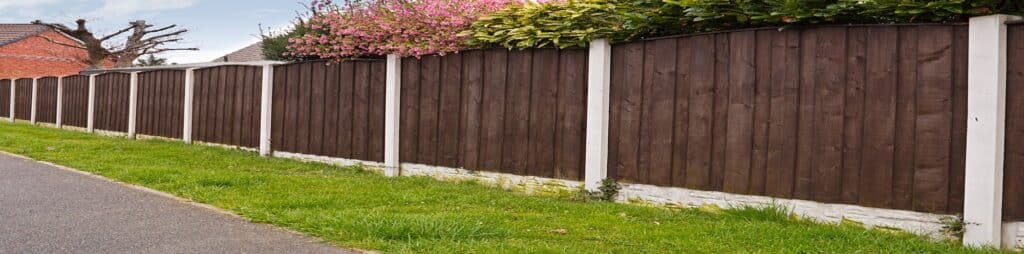
Wood Fencing Installation in New Orleans, LA
Wood fencing in New Orleans is not a simple proposition. Between Formosan termites, subtropical humidity averaging 73%, flash flooding, and 60-plus inches of annual rainfall, this city tests fencing materials harder than almost any other environment in the United States. The right wood fence, properly installed and maintained, will give you decades of privacy, beauty, and security. The wrong wood fence, or the right wood installed carelessly, can fail within five years. At Big Easy Iron Works, we install wood fencing throughout the New Orleans metro with a complete understanding of what this climate demands. Here is everything you need to know before you decide.
Table of Contents
Types of Wood Fences We Install in New Orleans

No two wood fencing projects are the same. Your neighborhood, lot layout, privacy needs, and HOA or HDLC requirements all shape which style makes sense. We install the following styles throughout the New Orleans area:
Privacy Fences
The most popular wood fence style in New Orleans, privacy fences use vertical boards placed side by side with no gaps to create a solid visual barrier. Standard height is 6 feet for side and rear yards. Privacy fencing is ideal for the close-set lot lines of New Orleans shotgun houses, camelbacks, and Creole cottages, where privacy from adjacent neighbors is a practical daily concern rather than a luxury.
Board-on-Board Privacy Fencing
Board-on-board (also called shadow box) fencing alternates boards on both sides of the horizontal rail, with each board overlapping the gap of the board on the opposite side. This creates a fence that is private from both sides, allows for slight airflow, and maintains its appearance even as individual boards shrink slightly due to seasonal moisture changes. Board-on-board is particularly well suited to New Orleans’ humidity cycles because it accommodates wood movement without gaps opening up.
Picket Fencing
Picket fences use vertical boards with gaps between them, typically 2 to 4 inches. The classic New Orleans front yard picket fence defines property lines and adds charm without completely blocking views. Picket style options include dog-ear (square top with notched corners), flat-top, gothic (pointed), and French Gothic (curved). City of New Orleans zoning limits front yard fences to 4 feet in most residential zones, making picket the natural choice for street-facing applications.
Split Rail Fencing
Split rail uses horizontal rails mortised into round posts, creating an open, rustic look. It defines boundaries and contains large animals without providing privacy. Split rail is less common in New Orleans proper but appears frequently in the Northshore communities of Covington, Mandeville, and Abita Springs, where larger lots accommodate the rural aesthetic.
Stockade Fencing
Stockade fencing (pointed-top vertical boards installed tightly together) provides full privacy and a traditional look. It requires slightly more material than board-on-board but creates a more solid appearance. Stockade is common in working-class New Orleans neighborhoods and is one of the most economical privacy fence styles available.
Horizontal Board Fencing
Horizontal board fencing uses wide planks installed horizontally rather than vertically, creating a contemporary, clean-lined look that has grown in popularity across New Orleans’ Mid-City, Lakeview, and Gentilly neighborhoods. Horizontal fences require structurally strong posts set closer together (typically 6 feet rather than 8 feet on center) to prevent the long horizontal boards from sagging over time.
Lattice-Top Privacy Fencing
A 4-foot solid privacy base topped with a 2-foot diagonal lattice panel creates privacy at eye level while allowing airflow and light through the upper section. Lattice-top is popular in New Orleans gardens where a full 6-foot solid fence would feel oppressive in smaller courtyard spaces.
Best Wood for Fences in New Orleans’ Climate

Wood selection is the single most important decision you will make about a New Orleans fence. The wrong species or treatment will fail in this climate within a few years. Here are the realistic options ranked for suitability:
Pressure-Treated Pine: Most Common, Most Practical
Pressure-treated Southern Yellow Pine is the workhorse of New Orleans fencing. The chemical treatment process forces preservatives deep into the wood fibers under high pressure, providing protection that surface treatments cannot match. Modern treated lumber uses ACQ (alkaline copper quaternary) or MCA (micronized copper azole) preservatives, which are highly effective against both rot and insect damage.
A properly installed pressure-treated pine fence in New Orleans can last 20 to 40 years with regular maintenance. It costs less than cedar or cypress per linear foot, is widely available, and takes paint and stain well. The tradeoff is that it requires more frequent sealing and painting than naturally rot-resistant species, and it is slightly heavier and harder to work with when still wet from treatment.
Cedar: The Premium Natural Choice
Western Red Cedar contains natural oils (thujaplicins) that resist both rot and insects without chemical treatment. It is lighter than pressure-treated pine, easier to work with, and produces a naturally attractive reddish-brown color that many homeowners prefer to leave unstained. Cedar also absorbs less moisture than pine, which means it is less prone to the warping, cupping, and checking that humid New Orleans summers can cause in less stable species.
The downside is cost. Cedar fencing runs 20% to 40% more than pressure-treated pine per linear foot. And despite its natural resistance, cedar in New Orleans’ extreme humidity environment still benefits significantly from regular sealing, because even naturally resistant woods have limits in an environment with 60-plus inches of annual rainfall and temperatures that often exceed 95 degrees Fahrenheit in summer.
Cypress: The Louisiana Native
Old-growth cypress is arguably the single best wood for New Orleans fencing, but the catch is supply. True old-growth cypress contains cypretine, a natural chemical that is highly toxic to insects including Formosan termites and that provides exceptional decay resistance. Historic New Orleans buildings from the 1800s that survived on old-growth cypress lumber are testimony to its performance in this environment.
The problem is that old-growth cypress has been nearly exhausted. What is sold as “cypress” today is typically farmed second-growth cypress, which has significantly less cypretine content and far less natural resistance than its old-growth equivalent. If you can source verified old-growth cypress, it is worth the premium for a New Orleans fence. For second-growth cypress, the performance advantage over good pressure-treated pine is modest and the cost premium is substantial.
Redwood: Durable but Expensive in NOLA
Redwood performs excellently in outdoor applications due to its natural decay resistance and dimensional stability. However, redwood is grown primarily in Northern California and the Pacific Northwest. Shipping costs to New Orleans make redwood one of the most expensive fence lumber options available locally. For most NOLA fence projects, the performance advantage over cypress or cedar does not justify the cost premium, though for premium projects where cost is not the primary concern, redwood remains a high-quality choice.
Composite Fencing: Low Maintenance, Higher Upfront Cost
Wood-plastic composite fencing (WPC) combines wood fibers with PVC or polyethylene resins to create boards that resist moisture, insects, and rot far better than natural wood. Composite fencing does not need painting or staining and does not warp or crack like natural wood. The tradeoff is higher upfront cost ($30 to $60 per linear foot installed) and a less natural appearance that some homeowners and HDLC reviewers find inappropriate for historic districts. Composite is worth considering for applications where maintenance burden is the primary concern.
Why Wood Fencing Is Challenging in New Orleans
New Orleans presents a combination of environmental challenges that makes it one of the hardest climates in the U.S. for any wood structure. Understanding these challenges helps you make better decisions about species, treatment, installation, and maintenance:
Subtropical Humidity
New Orleans averages 73% relative humidity annually, with summer months frequently exceeding 85% to 90% humidity during heat events. This constant moisture exposure drives continuous wood moisture cycling, the expansion and contraction of wood fibers as they absorb and release moisture. Over time, this cycling causes checking (small surface cracks), warping, cupping of boards, and loosening of fasteners. Selecting naturally stable species (cedar, cypress), using stainless steel or hot-dipped galvanized fasteners rather than standard steel, and maintaining a consistent sealing schedule all help combat humidity-related degradation.
Annual Rainfall
New Orleans receives an average of 62 inches of rainfall per year, ranking it among the wettest major cities in the continental U.S. That rainfall, combined with the city’s below-sea-level topography, means wood fence posts and rails are in frequent contact with standing water. Proper post installation is critical: posts must be set in concrete that extends above grade level with positive drainage away from the post to prevent water pooling at the base, which is where most wood fence rot originates.
UV Degradation
Louisiana’s intense sun, with summer UV index regularly reaching 10 or 11 (extreme), breaks down lignin in wood surfaces and causes graying and surface fiber breakdown. UV degradation does not directly threaten structural integrity but does damage paint and sealant coatings, exposing bare wood to moisture more quickly. Annual inspection of paint and sealant integrity is essential in NOLA’s UV environment.
Hurricane Wind Loads
New Orleans is in an active hurricane zone. Even tropical storms and severe thunderstorms generate sustained winds that can topple or damage improperly installed fencing. Posts set too shallow, spaced too far apart, or not anchored in concrete adequate for wind uplift are particularly vulnerable. We install posts at a minimum depth of one-third the post height plus 6 inches for fence posts, with concrete footings designed for the wind loads common in Southeast Louisiana.
High Water Table and Subsidence
New Orleans sits on unconsolidated Mississippi River sediment that compresses and subsides over time. The high water table means fence post footings that work perfectly in other regions may be inadequate here. We account for the city’s soil conditions and water table depth in our post installation specifications, using appropriate footing depths and drainage planning for each project location.
Pressure-Treated Pine Fencing: The Practical Choice

Pressure-treated Southern Yellow Pine is the most commonly installed wood fence material in New Orleans for good reason. Here is a detailed look at what makes it the practical standard:
How Pressure Treatment Works
Lumber is placed in a sealed cylinder, and a vacuum removes air from the wood cells. Preservative solution is then pumped into the cylinder under high pressure (typically 150 to 200 PSI), forcing the preservative deep into the wood fibers rather than just coating the surface. This process creates protection that penetrates the wood, unlike surface treatments that can wash away with rain.
Modern Preservatives: ACQ and MCA
Since 2004, residential pressure-treated lumber has used ACQ (alkaline copper quaternary) or MCA (micronized copper azole) preservatives rather than the older CCA (chromated copper arsenate) formula. ACQ and MCA are highly effective against rot and insects, including Formosan termites, and are considered safe for residential use including around children’s play areas and vegetable gardens. The copper content in ACQ can react with standard steel fasteners, however, causing accelerated corrosion. Always use hot-dipped galvanized or stainless steel fasteners with ACQ-treated lumber.
Retention Levels
Pressure-treated lumber is available in different retention levels (the amount of preservative retained in the wood). For fence boards and rails that are above ground, UC3B retention is appropriate. For fence posts in direct ground contact, UC4A or UC4B retention is required. Using above-ground-rated lumber for fence posts in New Orleans’ wet soil will result in premature post failure. Always verify the retention rating on the end-stamp of any lumber used for posts.
Working with Fresh Pressure-Treated Lumber
Fresh pressure-treated lumber arrives wet with preservative solution. Boards installed immediately after purchase can warp significantly as they dry. For the most stable fence, allow treated lumber to acclimate for 2 to 4 weeks before installation if possible, or use boards that are kiln-dried after treatment (KDAT), which are more stable and accept paint immediately.
Cedar Wood Fencing: The Premium Natural Option
For homeowners who prefer a natural wood aesthetic without chemical treatment, western red cedar is the leading premium choice in New Orleans. Here is what you need to know:
Natural Oils and Rot Resistance
Western red cedar contains thujaplicins, natural oils that inhibit the growth of mold, mildew, and decay fungi. These oils also discourage insects, including termites, though cedar’s resistance to Formosan termites specifically is less proven than pressure-treated wood. Cedar’s natural resistance means it can be left untreated and will gray naturally to a silver tone, or it can be stained to maintain its warm reddish-brown color.
Dimensional Stability
Cedar absorbs moisture more slowly and releases it more slowly than most other softwoods. This means cedar boards cycle through fewer dramatic expansion and contraction events in New Orleans’ humidity, resulting in less checking, warping, and cupping over time. A cedar board-on-board fence in New Orleans will maintain its fit and appearance longer than a pine fence of equal quality, all else being equal.
Weight and Workability
Cedar is significantly lighter than pressure-treated pine (approximately 23 lbs per cubic foot vs. 37 lbs per cubic foot for wet treated pine). This makes cedar easier to handle during installation and places less stress on fence posts and hardware. For long fence runs, the cumulative weight difference is meaningful in terms of structural loading on posts.
Cost Premium
Expect to pay 20% to 40% more per linear foot for cedar compared to pressure-treated pine for equivalent fence styles and heights. For a 150-foot privacy fence, that difference might be $600 to $1,500 in material costs. Whether that premium is worthwhile depends on your aesthetic preferences, maintenance willingness, and how long you plan to own the property.
Cypress Fencing: The Louisiana Native Option
Bald cypress (Taxodium distichum) is Louisiana’s official state tree and has been used as a building material in New Orleans for centuries. Its historical use in NOLA structures speaks to its performance in the local climate:
Old-growth cypress contains cypretine, a natural toxin that is among the most effective natural insect repellents found in any wood species. It is also naturally resistant to rot, with some old-growth cypress structures in Louisiana that are over 200 years old still structurally sound. The wood is dimensionally stable, relatively lightweight, and takes paint and stain well.
As noted above, the practical challenge today is sourcing. True old-growth cypress is rare and expensive. Second-growth farmed cypress has significantly less natural resistance, and the performance gap between second-growth cypress and good pressure-treated pine is much smaller than the old-growth comparisons would suggest. If you can source certified old-growth cypress from a Louisiana supplier, it is an excellent choice for a premium New Orleans fence. Ask your contractor for provenance documentation before paying old-growth prices for second-growth lumber.
Combining Wood and Iron: The New Orleans Compromise
One of the most practical and attractive fencing solutions for New Orleans properties is a hybrid design that combines iron posts and structural framework with wood infill panels. This approach delivers the privacy of wood fencing with the structural durability and longevity of iron, and it addresses several of New Orleans’ most challenging fencing problems simultaneously:
Why the Hybrid Approach Works
The most common failure point in wood fencing is the posts. Wooden fence posts in New Orleans’ wet soil face continuous ground-contact moisture, root pressure, and below-grade decay, even with pressure-treated lumber. Iron posts (either mild steel with powder coating or hot-dip galvanizing) in concrete footings are essentially permanent and eliminate this failure mode entirely.
The wood infill panels, which are not in ground contact, face only above-ground moisture exposure. Without the ground-contact decay problem, quality cedar or treated pine panels last dramatically longer than they would as part of an all-wood fence with wooden posts.
Design Flexibility
Iron posts and top rails with wood infill panels can be designed to match virtually any aesthetic, from traditional privacy fence to open lattice work. The iron framework can incorporate decorative elements, finials, and scrollwork that reflect New Orleans architectural heritage while the wood panels provide the privacy and sound dampening that iron alone cannot offer.
Property Value
In New Orleans’ real estate market, the combination of iron and wood signals quality construction and attention to detail. It reads as a premium upgrade over either pure wood or pure iron, appealing to buyers who want both privacy and the architectural character that iron provides.
Contact us to discuss hybrid iron-wood fencing options for your property. We fabricate the iron components in-house and coordinate the complete installation.
Privacy Wood Fencing for New Orleans Yards
Privacy fencing is by far the most requested wood fence type in New Orleans. The city’s dense urban fabric, closely packed housing stock, and active street culture create genuine privacy needs for backyards, side yards, and courtyard spaces. Here is how to think through privacy fence design for a NOLA property:
Height Limits and Zoning
City of New Orleans zoning regulations generally limit front yard fences to 4 feet in residential zones. Side yard and rear yard fences are typically allowed up to 6 feet without special permits, though setback requirements from property lines vary by zoning district. Historic district regulations may impose additional restrictions. Always verify current height and setback requirements for your specific address before committing to a fence design.
The New Orleans Courtyard Solution
Many New Orleans properties have rear courtyard spaces that serve as the primary outdoor living area. Privacy fencing around these spaces creates an urban oasis that is one of the defining features of NOLA residential living. A 6-foot solid privacy fence or board-on-board fence around a rear courtyard, combined with shade planting and outdoor furniture, effectively creates an additional room for the home.
Side Yard Challenges
Shotgun houses and Creole cottages frequently have side yards that are only 3 to 6 feet wide. Installing a 6-foot privacy fence in a narrow side yard can create a canyon effect and block airflow, increasing moisture problems for both the fence and the adjacent structure. Lattice-top designs (4-foot solid base plus 2-foot lattice top) allow airflow while still providing significant privacy at eye level, making them a good compromise for narrow side yards.
Wood Fence Maintenance in New Orleans
A wood fence in New Orleans requires more active maintenance than in drier climates. Plan for the following maintenance schedule to maximize your fence’s lifespan:
Annual Inspection
Every year, walk the fence line and inspect for: loose boards or nails, signs of wood decay (soft spots, discoloration, fungal growth), rust on fasteners or hardware, checking or cracking in boards, and post stability. In New Orleans, fence posts are the first component to fail, so test each post for movement at the base. A post that rocks freely at ground level needs immediate attention.
Cleaning
Annual power washing removes mildew, algae, and surface dirt that accelerate wood decay in New Orleans’ humid conditions. Use a low-pressure setting (1,000 to 1,500 PSI) to avoid damaging wood fibers. After washing, allow the fence to dry completely (typically 48 to 72 hours in NOLA weather) before applying any sealant or paint.
Sealing and Painting
Unfinished or naturally finished wood should be sealed with a penetrating wood sealer every 1 to 2 years in New Orleans’ climate. Painted fences should be inspected for peeling, chipping, or bare spots annually, with touch-up paint applied as needed, and a full repaint every 5 to 8 years depending on paint quality and sun exposure. Semi-transparent stains that penetrate the wood rather than forming a surface film tend to perform better in NOLA’s humidity because they don’t peel as dramatically when moisture penetrates from beneath.
Fastener Maintenance
Standard steel nails and screws corrode rapidly in New Orleans’ humidity and ACQ-treated lumber environment. When corroding fasteners are found during annual inspection, replace them with hot-dipped galvanized or stainless steel equivalents. Fastener failure is a common cause of board loss in New Orleans wood fences that otherwise have structurally sound wood.
Vegetation Management
Plants growing against or over a wood fence dramatically accelerate decay by trapping moisture against the wood surface. Keep vegetation trimmed back from the fence line. Mulch and soil should not be piled against fence boards or posts, as this creates persistent moisture contact that bypasses even treated wood’s protection.
Termite Protection for Wood Fences in New Orleans
No discussion of wood fencing in New Orleans is complete without addressing the Formosan subterranean termite (Coptotermes formosanus). This invasive species, introduced to New Orleans through military equipment after World War II, is the most destructive termite species in the United States and is endemic to the greater New Orleans area.
Why Formosan Termites Are a Unique Threat
Standard subterranean termites in the U.S. typically build colonies of 60,000 to 250,000 workers. Formosan termite colonies can reach 2 to 10 million workers. They feed more aggressively, establish satellite colonies faster, and can destroy wood structures that other termite species would take years longer to damage. A Formosan colony can cause significant structural damage to an unprotected fence within a single season in New Orleans.
Treatment Options for Wood Fences
The most effective protection against Formosan termites for wood fencing is using properly rated ACQ or MCA pressure-treated lumber for all in-ground and near-ground components, particularly fence posts and the bottom 6 inches of any board that is within 6 inches of the soil surface. The copper-based preservatives in modern treated lumber are toxic to termites.
Borate wood treatments (Tim-bor, Bora-Care) can be applied to the surface of untreated wood as an additional protection measure. These treatments penetrate the wood and provide moderate termite resistance, though they are not as effective as factory pressure treatment and must be reapplied if the treated surface is cut or drilled.
Termite bait stations installed around fence perimeters by a licensed pest control company provide additional protection by targeting the colony rather than just the immediate structure. In New Orleans, many homeowners with significant wood structures (including wood fences) maintain annual termite treatment contracts as a standard operating expense.
Species Resistance
Naturally resistant species like old-growth cypress (with cypretine content), old-growth redwood, and some heartwood cedar sections provide some deterrence against Formosan termites, but none are fully immune to a determined Formosan colony. The consensus among New Orleans pest control professionals is that chemical treatment, either factory pressure treatment or applied borate treatments, is necessary for reliable long-term protection regardless of species choice.
Wood Fence Cost in New Orleans
Based on current 2026 pricing data from multiple local and national sources, here is what to expect for wood fence installation in New Orleans:
Per Linear Foot Installed
- Basic pressure-treated pine privacy fence (6 ft): $21 to $28 per linear foot installed
- Board-on-board privacy fence (6 ft, pressure-treated pine): $24 to $32 per linear foot installed
- Cedar privacy fence (6 ft): $28 to $42 per linear foot installed
- Picket fence (4 ft, pressure-treated pine): $17 to $24 per linear foot installed
- Horizontal board fence (6 ft, cedar): $32 to $50 per linear foot installed
- Composite wood-plastic fence (6 ft): $30 to $60 per linear foot installed
- Iron post with wood panel hybrid: $40 to $80 per linear foot installed (depending on iron fabrication complexity)
Total Project Cost Estimates
- Small backyard fence (80 linear feet, 6 ft privacy pine): $1,680 to $2,240
- Standard New Orleans yard (140 linear feet, 6 ft board-on-board pine): $3,360 to $4,480
- Full perimeter privacy fence (200 linear feet, cedar): $5,600 to $8,400
Factors That Affect Price
Terrain and soil conditions are significant cost factors in New Orleans. Properties near the river, in low-lying areas, or with high water table conditions may require deeper posts, different footing designs, or additional drainage work. Lot irregularities, slopes, and obstacles add labor time. Removal and disposal of an existing fence adds $3 to $8 per linear foot to the total cost. Gate installation adds $200 to $600 per walk gate and $500 to $1,500 per drive gate depending on size and hardware.
Orleans Parish Permit Fees
Orleans Parish requires a permit for most residential fence installations, with a permit fee of approximately $80. Some fence replacements that match the existing fence’s height and location qualify for simplified permitting. We handle permit applications on your behalf as part of our installation service.
Wood Fence Permits in New Orleans
New Orleans’ Department of Safety and Permits (DSP) requires permits for most residential fence installations. Here is the practical information you need:
When a Permit Is Required
A permit is required for any new fence installation or for replacement fencing that changes height, location, or material from the existing fence. Simple like-for-like replacements of existing fencing may qualify for an expedited review process. Call the DSP at (504) 658-7100 to confirm requirements for your specific project before starting work.
Height and Setback Requirements
In most New Orleans residential zones:
- Front yard: Maximum 4 feet (measured from grade to top of fence)
- Side yard (street-facing on corner lots): May be restricted to 4 feet for a portion of the lot frontage
- Side yard (interior) and rear yard: Maximum 6 feet in most residential zones
These are general guidelines. Zoning regulations vary by district code, and historic district overlays may impose additional restrictions. We review the applicable regulations for your specific address as part of our project planning process.
HOA Requirements
If your property is in a homeowners association, the HOA declaration and architectural guidelines take precedence over your aesthetic preferences. Many NOLA HOAs in suburban areas have specific approved fence styles, colors, and heights. Violating HOA guidelines can result in mandatory removal at your expense even if the fence was properly permitted by the city.
HDLC Considerations for Wood Fencing in Historic Districts
New Orleans’ Historic District Landmarks Commission (HDLC) regulates exterior changes to properties within designated historic districts. If your property is in the French Quarter, Faubourg Marigny, Tremé, Garden District, Uptown, or another HDLC-designated area, you need HDLC approval before installing or significantly altering exterior fencing.
What HDLC Regulates
HDLC reviews fence height, material, color, and style for properties under its jurisdiction. Wood fencing is generally approvable in historic districts as long as the design is contextually appropriate for the neighborhood’s historic character. Modern materials like vinyl and certain composite products are often denied in the most strictly regulated districts. Horizontal board fencing and other contemporary styles may be approved in some HDLC districts and denied in others depending on the specific overlay rules.
The HDLC Approval Process
For work covered by HDLC jurisdiction, you must submit an application describing the proposed work, materials, dimensions, and color. HDLC staff reviews minor work and issues a Certificate of Appropriateness (COA) without a full board hearing for straightforward projects. More significant changes go to the full HDLC board, which meets monthly. Plan for a 4 to 8 week approval timeline for HDLC-regulated projects.
Installing a fence without HDLC approval in a regulated district can result in a stop-work order, mandatory removal, and fines. We have experience working with HDLC on fencing projects throughout New Orleans’ historic districts and can guide you through the approval process.
Wood Fence vs. Iron Fence: Which Is Right for Your New Orleans Property?
This is one of the most common questions we answer, and the honest answer is that it depends on your specific priorities. Here is a clear comparison:
| Factor | Wood Fence | Iron Fence |
|---|---|---|
| Privacy | Complete privacy | Minimal privacy (open design) |
| Longevity | 20-40 years with maintenance | 50-100+ years with maintenance |
| Maintenance | Annual sealing/painting required | Periodic rust treatment and painting |
| Termite Risk | Significant (Formosan termites) | None |
| Upfront Cost | Lower ($17-$42/LF) | Higher ($35-$75+/LF) |
| Historic Character | Appropriate in many districts | Defines NOLA historic neighborhoods |
| Property Value | Modest increase | Significant increase (historic properties) |
| Security | Good (solid barrier) | Excellent (cannot be cut quietly) |
Our honest guidance: if privacy is your primary need and you are in a non-historic district, wood is a practical and cost-effective choice. If you are in a historic district, if security and longevity matter more than privacy, or if you want minimal maintenance for 50-plus years, iron is the better long-term investment. For many New Orleans properties, the hybrid approach (iron posts and frame, wood panels) delivers the best of both. Learn more about all our fencing options and we can help you find the right solution for your property.
Service Areas
Big Easy Iron Works installs wood fencing throughout the greater New Orleans metropolitan area. Our service areas include:
- New Orleans (all neighborhoods: French Quarter, Garden District, Uptown, Mid-City, Lakeview, Gentilly, New Orleans East, Algiers, Bywater, Marigny, Tremé, Carrollton)
- Metairie and Kenner (Jefferson Parish)
- Harahan and River Ridge
- Gretna, Harvey, Westwego, and Marrero (West Bank)
- Chalmette and Arabi (St. Bernard Parish)
- Slidell, Covington, Mandeville, Abita Springs, and Madisonville (Northshore)
- LaPlace and Reserve (St. John the Baptist Parish)
We travel throughout Southeast Louisiana for residential and commercial fencing projects. Call us at 504-732-0066 to discuss your project and confirm service availability for your location.
Frequently Asked Questions: Wood Fencing New Orleans
What is the best wood for fencing in New Orleans?
For most New Orleans homeowners, ACQ-rated pressure-treated Southern Yellow Pine offers the best combination of performance, termite resistance, and cost. Cedar is an excellent premium alternative with better natural aesthetics and dimensional stability. Old-growth cypress (when authentically sourced) is historically the best option for the local climate but is difficult to source. Avoid untreated pine or generic softwoods in NOLA’s climate.
How long does a wood fence last in New Orleans?
A properly installed and maintained pressure-treated pine fence in New Orleans typically lasts 20 to 35 years. Cedar fences last 15 to 25 years with proper maintenance. Factors that dramatically shorten lifespan include post rot from poor drainage, Formosan termite damage, deferred maintenance on paint or sealant, and fastener corrosion that allows boards to detach and expose bare wood.
How much does wood fence installation cost in New Orleans?
Current 2026 pricing ranges from $17 to $28 per linear foot installed for standard 6-foot pressure-treated pine privacy fencing. Cedar privacy fencing runs $28 to $42 per linear foot. Total project costs for a 140-foot standard New Orleans yard range from $2,380 to $3,920 for pressure-treated pine and $3,920 to $5,880 for cedar. These estimates include labor, materials, concrete for posts, and standard gate hardware.
Do I need a permit to install a wood fence in New Orleans?
Yes. Orleans Parish requires a permit for most fence installations. The permit fee is approximately $80. Front yard fences are limited to 4 feet in height in most residential zones. Side and rear yard fences are typically allowed up to 6 feet. HDLC approval is additionally required for properties in historic districts. We handle permitting as part of our installation service.
Are Formosan termites a problem for wood fences in New Orleans?
Yes, Formosan subterranean termites are a serious and specific threat to wood fencing in New Orleans. Their colonies can reach 2 to 10 million workers, far larger than other termite species in the U.S., and they feed aggressively enough to cause significant fence damage within a single season on unprotected wood. ACQ or MCA pressure-treated lumber provides effective protection for fence posts and near-ground components. Annual termite inspections and pest control treatment contracts are worth considering for any wood fence installation in the New Orleans area.
What wood fence style provides the most privacy in New Orleans?
Solid board privacy fencing (6 feet high, boards touching with no gaps) provides the most complete visual privacy. Board-on-board fencing (boards alternating on both sides of the rail) is nearly as private while allowing slight airflow, making it better suited to New Orleans’ humidity. For properties where a 6-foot solid fence would feel oppressive in a narrow space, a 4-foot solid base with 2-foot lattice top provides privacy at eye level with airflow above.
Can I install a wood fence myself in New Orleans?
DIY installation is possible but significantly more challenging in New Orleans than in most other markets. The high water table requires careful attention to post depth and footing drainage. Formosan termite risk demands proper material selection that DIYers sometimes get wrong. HDLC and permit requirements add process complexity. For properties in historic districts, professional installation by a contractor familiar with HDLC requirements is strongly recommended. For standard non-historic residential properties, capable DIYers can successfully install simple fence styles.
How often does a wood fence need to be painted or stained in New Orleans?
New Orleans’ humidity and UV intensity require more frequent maintenance than in drier climates. Painted wood fences need inspection and touch-up annually, with a full repaint every 5 to 8 years. Natural wood with penetrating oil sealer needs reapplication every 1 to 2 years. Semi-transparent stains typically last 2 to 4 years between applications. Plan for more frequent maintenance schedules than manufacturers typically recommend, as those guidelines are based on average U.S. conditions that are considerably drier than New Orleans.
Is wood fencing allowed in New Orleans historic districts?
Yes, in most cases. Wood fencing is generally considered appropriate in New Orleans’ historic districts, though the specific style, height, material, and color require HDLC approval. Traditional fence styles (picket, board-on-board, simple privacy) are typically approved. Highly contemporary styles or non-traditional materials may be denied in the most strictly regulated districts. HDLC approval is required before installation begins. We have experience navigating the HDLC process and can help you design a fence that meets both your needs and HDLC requirements.
What is board-on-board fencing and why is it good for New Orleans?
Board-on-board fencing alternates boards on both sides of the horizontal rails, with each board overlapping the gap of the opposite board. This creates near-total privacy from both sides while allowing a small amount of airflow. The key advantage for New Orleans is that board-on-board accommodates seasonal wood movement: when boards dry out slightly and shrink in width, the overlapping boards maintain the privacy of the fence without gaps opening up. It is one of the most forgiving privacy fence styles for humid climates.
How do I protect wood fence posts from rot in New Orleans?
Use UC4A or UC4B rated pressure-treated posts (not standard above-ground rated posts) for all in-ground applications. Set posts in concrete with the concrete crown sloped to drain water away from the post. The bottom of the concrete footing should be at least 24 to 30 inches below grade, deeper than standard recommendations for most other U.S. climates. Avoid backfilling with native NOLA soil directly against the post base; use pea gravel or crushed stone at the base of the footing for drainage. Consider post base hardware that holds the post 1 to 2 inches above the concrete surface to prevent moisture wicking from the concrete into the wood.
Should I combine wood and iron for my New Orleans fence?
For many New Orleans properties, a hybrid of iron posts and structural frame with wood infill panels is the most practical long-term solution. Iron posts eliminate the post rot problem that is the most common failure mode for wood fencing in New Orleans. Wood panels provide the privacy that iron cannot. The combination is visually distinctive, structurally durable, and appropriate for both modern and historic properties. It costs more than all-wood construction but significantly less over a 30 to 50 year lifespan when post replacement costs are factored in. Learn more about our custom iron fencing options to see how hybrid designs can work for your property.
Get a Free Estimate for Wood Fence Installation in New Orleans
Ready to move forward with a wood fence for your New Orleans property? Big Easy Iron Works provides free on-site estimates for all fencing projects throughout the metro area. We assess your property, discuss your goals and budget, walk you through material options appropriate for your specific location and soil conditions, and provide a clear written estimate with no pressure.
Call us at 504-732-0066 to schedule your free estimate. We work throughout New Orleans, Metairie, the West Bank, and the Northshore. Our team is ready to help you find the wood fencing solution that performs in New Orleans’ demanding climate and looks right for your property for decades to come.
Driving Directions
Big Easy Iron Works is 16 minutes away from Pitot House and 8 minutes away from Gallier Hall.
Directions from Pitot House: Head southeast on Moss St toward Harding Drive. Turn left onto Orleans Ave. Turn right onto N Broad St and then turn left onto Washington Ave. Continue onto Toledano St and then continue onto Louisiana Ave. Turn right onto Magazine St.
Directions from Gallier Hall: Head south on St Charles Ave toward Lafayette St. At Lee Cir, take the 4th exit and stay on St Charles Ave. Turn left onto Toledano St and turn right at the 1st cross street onto Prytania St. Turn left at the 1st cross street onto Louisiana Ave and then turn right onto Magazine St.
Business Information
Big Easy Iron Works
625 Celeste St Suite 504-E,
New Orleans, LA 70130