
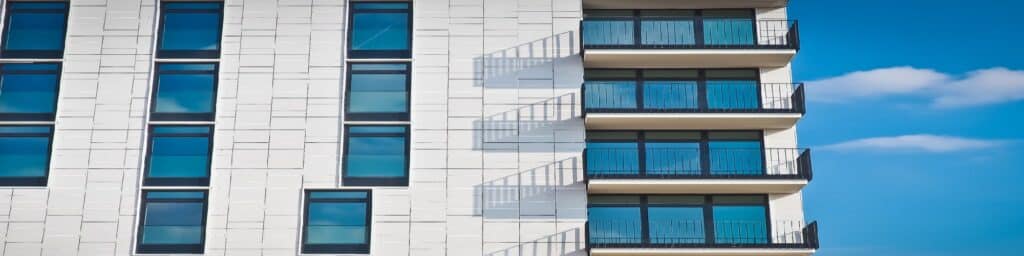
Custom Exterior Iron Railings in New Orleans, LA
New Orleans is called “the city of iron lace” for good reason. Those ornate balconies and galleries gracing the French Quarter, Garden District, and Uptown neighborhoods are among the most recognized architectural features in the country, and they have been defining the NOLA skyline since the mid-1800s. At Big Easy Iron Works, we fabricate custom exterior iron railings entirely in-house, right here in New Orleans, preserving that tradition with every project we take on. Whether you need balcony railings on a historic shotgun double, stair railings on a commercial building, deck railings for a new construction home, or gallery-style wrought iron for a French Quarter property, we design and install it all from scratch with no middleman markup.
Our team has worked with homeowners, property managers, historic preservationists, and commercial developers across New Orleans for decades. We understand Louisiana building code, HDLC approval requirements, ADA compliance for commercial properties, and the coastal climate challenges that no national manufacturer will ever truly understand. Call us at 504-732-0066 to schedule a free consultation.
Table of Contents
Types of Exterior Railings We Install
Exterior railings serve both safety and aesthetic purposes, and in New Orleans those two goals are rarely in conflict. A well-designed wrought iron railing adds curb appeal, supports historical character, and meets every code requirement at the same time. We install the following types of exterior railings throughout the metro area.
Balcony Railings
Balcony railings are perhaps the most iconic ironwork element in New Orleans. A balcony projects from the facade of the building and relies on structural cantilevers or brackets rather than ground-level posts. The railing wraps the perimeter, providing fall protection while framing views of the street below. We fabricate balcony railings in both wrought iron and steel, with ornamental details ranging from simple vertical pickets to elaborate scrollwork and fleur-de-lis motifs that mirror 19th-century NOLA blacksmith traditions.
Gallery Railings
A gallery is distinct from a balcony in New Orleans architectural terminology. Galleries extend from the building facade all the way to the street curb, covering the full width of the public sidewalk, and they are supported by columns or posts at street level. Galleries are found extensively in the French Quarter and along Magazine Street. Gallery railings typically run along the outer edge of the upper-floor gallery floor, requiring both structural integrity and historic design compatibility. We match existing gallery railing patterns, replicate period-appropriate profiles, and weld every connection for maximum durability.
Stair Railings
Exterior stair railings guide residents and guests safely up and down steps while defining the entry character of the home or business. Louisiana building code and the International Building Code (IBC) impose specific height and graspability requirements on stair railings, which we address in detail below. We fabricate exterior stair railings for stoops, front steps, side entries, and rear stairs on residential and commercial properties alike.
Deck and Porch Railings
Elevated decks and porches require perimeter guard railings to prevent falls. These railings must meet height requirements based on the elevation of the deck above grade and the occupancy classification of the building. We design deck and porch railings that complement your outdoor living space, coordinate with existing ironwork on the property, and hold up to the humidity, salt air, and UV exposure that accelerate deterioration for lesser materials.
Commercial Railings
Commercial properties, restaurants, hotels, office buildings, and mixed-use developments face stricter railing requirements than single-family residences under the IBC. We work with commercial clients throughout the New Orleans metro to design and install code-compliant exterior railings that still look sharp. ADA requirements for graspability and projection clearance apply to commercial handrails, and we address all of those specifications in our fabrication drawings before a single piece of iron is cut.
French Quarter and Historic District Railings
Working in New Orleans’ historic districts is not like working anywhere else. The city maintains two separate oversight bodies that govern exterior changes to historic properties: the Historic District Landmarks Commission (HDLC), which regulates 14 designated historic districts including the Marigny, Bywater, Tremé, Lower Garden District, and Garden District, and the Vieux Carré Commission (VCC), which has authority over the French Quarter under Article VI, Section 23 of the Louisiana Constitution.
The VCC is the stricter of the two bodies. Its jurisdiction covers everything “the air touches” on a French Quarter property, including courtyards and rear elevations that may not be visible from the street. Any new railing, replacement railing, or modification to an existing iron balcony or gallery in the French Quarter must receive VCC approval before work begins. In HDLC Full Control districts, all exterior work beyond routine maintenance requires a Certificate of Appropriateness (COA) from the commission. Fences, gates, handrails, and porch railings are all subject to this review.
What Makes a Railing Historically Appropriate
Both the VCC and HDLC look for railings that are compatible with the age, style, and character of the building and the surrounding historic district. For iron railings, that typically means:
- Use of wrought iron or cast iron profiles that match the period of the building
- Ornamental motifs drawn from the original design vocabulary of New Orleans ironwork, including fleur-de-lis, oak leaf and acorn patterns, anthemion scrolls, and geometric lattice
- Picket spacing, rail height, and newel post profiles consistent with mid-19th to early-20th century fabrication methods
- Finish colors that match approved historic palettes, typically flat or satin black for iron elements
Big Easy Iron Works has extensive experience navigating both VCC and HDLC approval processes. We can prepare design drawings to the commission’s submission standards, advise you on what is likely to be approved, and handle the back-and-forth that comes with historic review. We fabricate the approved design once you have your Certificate of Appropriateness in hand.
Cast Iron vs. Wrought Iron in New Orleans Historic Work
Most people use the terms interchangeably, but cast iron and wrought iron are distinct materials with different fabrication methods and visual qualities. Cast iron is poured into molds and tends to produce heavier, more intricate patterns with crisp detail, like the famous Pontalba buildings on Jackson Square. Wrought iron is hammered and shaped by hand or with power hammers, producing slender, flowing lines with more visible handcraft character. Many historic New Orleans railings incorporate both: cast iron rosettes or medallions set into wrought iron frames, for example. We work in both materials and can match or replicate virtually any existing pattern for restoration or extension projects.
Balcony Railings and Second-Story Galleries
Second-story balconies and galleries are so embedded in New Orleans culture that they have their own architectural mythology. The ironwork tradition here traces directly to the mid-19th century when the city’s population of blacksmiths, many of them free people of color with West African metalworking traditions, supplied ornate railings to the booming building stock. Symbols drawn from Ghanaian Adinkra tradition, including the interlocking heart pattern known as asase ye duru, appear in iron railings throughout the French Quarter to this day.
When we install or restore second-story balcony railings, we consider several factors beyond just aesthetics:
- Structural attachment: A balcony railing must anchor to a solid substrate. On older New Orleans buildings with brick or plaster facades, that often means working through the finish to find sound masonry or structural framing. We assess attachment points before fabricating the railing so the final installation is solid.
- Bracket and corbel compatibility: Many historic balconies are supported by decorative iron brackets that are themselves works of craftsmanship. We can fabricate matching replacement brackets or new brackets in a compatible style when originals are missing or damaged.
- Drainage and water management: Standing water at the base of railing posts is the primary driver of corrosion. We position posts to shed water and apply protective coatings at attachment points where moisture infiltration is most likely.
- Load requirements: IBC Section 1607.8 specifies minimum concentrated and linear load requirements for guards and handrails. Our balcony railings are welded, not bolted together, which distributes load across the entire assembly rather than concentrating stress at connection hardware.
Stair Railings and Code Compliance
Louisiana adopted the International Building Code (IBC) as the basis for the Louisiana State Uniform Construction Code (LSUCC), which governs commercial and multi-family construction statewide. Residential construction follows the International Residential Code (IRC). Both codes specify minimum railing and handrail requirements that all new and replacement exterior stair railings must meet.
Key Code Requirements for Exterior Stair Railings
Height: For residential applications under the IRC, guard railings on open sides of stairs must be at least 34 inches high measured vertically from the stair nosing. For commercial applications under the IBC, guards adjacent to walking surfaces more than 30 inches above the floor or grade must be at least 42 inches high. Stair handrails under IBC must be between 34 and 38 inches above the stair nosing.
Graspability: The IBC and ADA both specify that handrails must be graspable along their entire length. Circular cross-sections must have an outside diameter between 1.25 and 2 inches. Non-circular profiles must have a perimeter between 4 and 6.25 inches with a maximum cross-section dimension of 2.25 inches. A flat-top square tube does not meet graspability requirements without modification.
Continuity: Handrails must be continuous for the full length of the stair flight, from the bottom riser to the top riser. They must extend horizontally at least 12 inches beyond the top riser and at the bottom, must extend at the slope of the stair flight for a horizontal distance equal to one tread depth beyond the bottom riser.
Projection clearance: Handrails must have at least 1.5 inches of clear space between the wall or other obstruction and the gripping surface. They must not project more than 4.5 inches into a required walkway width.
Baluster spacing: Intermediate balusters or pickets must be spaced so that a 4-inch sphere cannot pass through any opening at any point in the guard. This is commonly called the “4-inch sphere rule” and is the standard test applied during inspections.
Big Easy Iron Works fabricates exterior stair railings to all applicable code dimensions before installation. We pull the necessary permits with the City of New Orleans Department of Safety and Permits, and our work is built to pass inspection the first time.
ADA-Compliant Railings for Commercial Properties
Commercial properties open to the public, including restaurants, retail shops, hotels, office buildings, medical offices, and any facility that qualifies as a place of public accommodation under the Americans with Disabilities Act (ADA), must provide accessible routes that include compliant handrails on all ramps and stairs used by the public.
ADA Section 505 governs handrail design and specifies the following requirements that iron handrails must meet:
- Height: 34 to 38 inches above the walking surface or stair nosing, measured to the top of the gripping surface
- Graspability: Circular handrails must have an outside diameter of 1.25 to 2 inches; non-circular profiles must meet the perimeter and cross-section limits noted above
- Clearance: Minimum 1.5 inches of clear space between the handrail and any adjacent surface
- Projection: Handrails may not project more than 4.5 inches from the wall into the accessible route
- Continuity: Handrails must be continuous on both sides of ramps and stairs, with no gaps or interruptions that would break a user’s grip
- Extensions: Top and bottom extensions are required at ramps and stairs so users can stabilize themselves before stepping onto or off the ramp or stair
- Surface: Handrails must not rotate within their fittings; a smooth, consistent finish is required along the gripping surface
For commercial properties in the French Quarter or other historic districts, ADA access improvements can sometimes conflict with preservation requirements. There are provisions in the ADA and its implementing regulations for alternative means of compliance when strict application of the standards would threaten or destroy the historic significance of a building. We can help you identify the right approach and document the case for any alternative compliance method to present to the reviewing authority.
Commercial properties with outdoor dining areas, elevated patios, rooftop decks, or second-story commercial space face IBC guard height requirements of 42 inches minimum at all open sides of walking surfaces more than 30 inches above grade. Big Easy Iron Works fabricates commercial-grade exterior railings to these specifications throughout greater New Orleans.
Coastal Climate and Rust Prevention
New Orleans sits in one of the most corrosive environments in the continental United States. The city’s proximity to the Gulf of Mexico and Lake Pontchartrain means persistent salt air exposure. Average relative humidity runs between 75 and 90 percent year-round. Tropical storms bring sustained wind-driven rain that forces moisture into every crevice. Summer temperatures routinely exceed 90 degrees Fahrenheit, accelerating oxidation. All of these factors work against bare iron and untreated steel alike.
Exterior railings that are not properly finished and maintained will rust faster in New Orleans than almost anywhere else in the country. Here is how we address that challenge:
Surface Preparation
Proper surface preparation is the single most important factor in coating longevity. We grind welds smooth, remove mill scale from raw steel, and apply a rust-inhibiting primer before any topcoat. On raw iron and steel, the primer bonds directly to clean metal. Coatings applied over contaminated or rough surfaces will fail prematurely regardless of their quality.
Powder Coating
Powder coating is our preferred finish for most exterior iron railings in the New Orleans climate. Electrostatically applied dry powder is baked onto the metal at high temperature, forming a uniform, dense film that is significantly thicker and more chemically resistant than liquid paint. A properly applied powder coat does not run, sag, or leave brush marks, and it resists chipping, scratching, and UV degradation better than most liquid alternatives. Powder-coated exterior railings in a coastal environment typically maintain their finish for 10 to 15 years with normal care before requiring touch-up.
Galvanization
For railings in the most exposed locations, particularly ocean-facing or lakefront properties, we recommend hot-dip galvanization before powder coating. Hot-dip galvanizing bonds a layer of zinc to the iron or steel through a metallurgical reaction. Zinc is electrochemically sacrificial to iron: if the coating is damaged and moisture reaches the substrate, the zinc corrodes in place of the iron, a process called cathodic protection. Galvanized and powder-coated railings in a coastal New Orleans environment can last 25 years or more before requiring significant maintenance.
Routine Maintenance
Even the best-finished exterior iron railings benefit from periodic inspection and maintenance. We recommend washing railings with mild soap and water annually to remove salt deposits, inspecting finish for chips or scratches and touching up with compatible paint, checking all attachment hardware for corrosion, and repainting bare-metal areas before rust can establish itself. With this level of care, properly fabricated and finished wrought iron railings can last 100 years or more, as the original mid-19th century ironwork throughout the French Quarter demonstrates.
Custom Ornamental Designs
One of the biggest advantages of working with a local fabricator rather than ordering stock railings from a catalog is the ability to design something that truly belongs to New Orleans. Big Easy Iron Works creates custom ornamental iron designs from scratch, drawing on the rich vocabulary of NOLA ironwork tradition while accommodating your personal preferences, the architectural character of your building, and the requirements of any applicable historic review.
Classic New Orleans Motifs
The decorative vocabulary of New Orleans ironwork has been refined over nearly two centuries. Some of the most enduring motifs include:
- Fleur-de-lis: The stylized lily is the most universally recognized symbol of New Orleans and appears in thousands of variations on iron railings throughout the city. We fabricate fleur-de-lis elements in both cast iron reproduction profiles and hand-forged wrought iron.
- Oak leaves and acorns: Natural motifs drawn from the live oaks that shade so much of New Orleans appear frequently in Victorian-era ironwork. Oak leaf and acorn patterns soften the geometry of a railing and complement the landscape.
- Anthemion and palmette scrolls: These Greek-revival decorative elements appear in the ironwork of the Garden District and Uptown neighborhoods, where the architectural vocabulary is more formal than in the Creole cottages and shotgun doubles of the Marigny and Bywater.
- Geometric lattice and diamond patterns: Spanish colonial influence in New Orleans architecture produced a taste for geometric precision in ironwork. Diamond lattice patterns and square grid panels give a more formal, architectural quality to railings and fences.
- Adinkra-inspired elements: West African design traditions brought to New Orleans by enslaved and free Black craftsmen produced distinctive interlocking heart and curvilinear patterns that appear in historic French Quarter ironwork and remain culturally significant to this day.
Contemporary Custom Work
Not every client wants a reproduction of a 19th-century design. We also fabricate contemporary exterior railings with clean lines, minimal ornamentation, and modern proportions for new construction and renovation projects where a traditional vocabulary would feel out of place. If you have a design in mind, bring it to us. If you are starting from scratch, our designers will work with you to develop something that suits your building, your neighborhood, and your taste.
Railing Repair and Restoration
New Orleans has more historic iron railings than almost any other American city, and many of them are in need of repair. Decades of deferred maintenance, storm damage, vehicle impacts, and simple wear have left countless balcony railings, gallery guards, and stair railings bent, broken, rusted, or missing sections. Big Easy Iron Works offers comprehensive railing repair and restoration services for historic and non-historic properties alike.
What We Can Fix
- Bent or deformed pickets and rails, straightened by hand with power hammers and hydraulic presses
- Broken welds, re-welded with matching filler rod and ground flush
- Missing sections, fabricated to match the existing design and spliced in seamlessly
- Severely corroded sections, cut out and replaced with new iron fabricated to the original profile
- Loose posts, re-anchored with epoxy-set anchors or plate anchors welded to a new structural base
- Failed finishes, stripped to bare metal and refinished with primer and powder coat or paint
Matching Historic Profiles
Matching an existing historic railing profile requires skill and patience. We measure existing pickets, rails, and ornamental elements, then fabricate matching pieces using period-appropriate techniques. In many cases we can cast iron reproductions of original cast iron elements from molds we create on-site. For wrought iron sections, we hand-forge matching profiles. The goal is always a repair that is invisible when finished, preserving the integrity of the original work while making it structurally sound again.
Permits and HDLC Approval Process
Any new exterior railing installation, replacement of an existing railing, or significant repair in New Orleans requires a building permit from the City of New Orleans Department of Safety and Permits. Properties within HDLC-regulated historic districts or the French Quarter (VCC jurisdiction) require an additional layer of review before the building permit can be issued.
Step-by-Step Overview
- Determine your district: Whether your property falls under HDLC Full Control, HDLC Partial Control, VCC jurisdiction, or outside any historic overlay determines what pre-approval is required. Big Easy Iron Works can confirm your district at no charge.
- Prepare a design submittal: HDLC and VCC both require design drawings showing the proposed railing dimensions, materials, finishes, and relationship to the existing building. We prepare these drawings as part of our project scope for historic district work.
- Attend or submit for the commission hearing: HDLC holds regular public hearings at which proposed work is reviewed. VCC has a similar review calendar. Staff review is available for some minor work items that do not require a full commission hearing. We can accompany you to the hearing or submit on your behalf.
- Receive your Certificate of Appropriateness: Once approved, the COA is submitted as part of the building permit application to the Department of Safety and Permits.
- Pull the building permit: Big Easy Iron Works pulls the required building permit before beginning any installation. The permit covers the installation work and requires a final inspection upon completion.
- Pass final inspection: Our railings are built to code from the start, so the final inspection is a formality rather than a surprise.
Navigating the HDLC and VCC processes can feel overwhelming if you have never done it before. We have. We guide our clients through every step so the paperwork does not become an obstacle to getting the project done.
Service Areas
Big Easy Iron Works fabricates and installs exterior iron railings throughout greater New Orleans and the surrounding parishes. Our service area includes:
- New Orleans neighborhoods: French Quarter, Marigny, Bywater, Tremé, Garden District, Uptown, Mid-City, Gentilly, Lakeview, Algiers, Broadmoor, Central City, Carrollton, Riverbend, and Holy Cross
- Jefferson Parish: Metairie, Kenner, Harahan, River Ridge, Jefferson, and Westwego
- St. Tammany Parish: Mandeville, Covington, Slidell, and Madisonville
- St. Bernard Parish: Chalmette, Meraux, and Violet
- Plaquemines Parish: Belle Chasse and surrounding communities
If you are outside these areas and need exterior railings, contact us to discuss your project. We travel for the right job.
Frequently Asked Questions About Exterior Railings in New Orleans
How much do custom iron railings cost in New Orleans?
The cost of custom exterior iron railings depends on the style complexity, linear footage, material choices, finish type, and whether HDLC or VCC approval is required. Simple straight-picket stair railings cost significantly less than ornate gallery railings with hand-forged scrollwork and cast iron medallions. Because we fabricate everything in-house with no middleman, our pricing is competitive with what comparable quality would cost elsewhere. Contact us online for a free on-site estimate.
How long do wrought iron railings last in New Orleans?
Properly fabricated and maintained wrought iron railings can last indefinitely. The mid-19th century ironwork throughout the French Quarter is proof: many of those railings are 150 to 175 years old and still structurally sound. The key is proper surface preparation and finishing at installation, followed by periodic touch-up painting every 5 to 10 years to address any chips or areas of bare metal before rust can take hold.
Do I need a permit to replace my iron balcony railing in New Orleans?
Yes. Any railing replacement, even if you are replacing in kind with the same design and material, requires a building permit from the City of New Orleans Department of Safety and Permits. If your property is in an HDLC or VCC district, a Certificate of Appropriateness is also required before the building permit is issued. Big Easy Iron Works handles permit applications as part of our standard project scope.
What is the minimum railing height required in New Orleans?
For residential properties under the IRC, guard railings on open sides of stairs must be at least 34 inches above the stair nosing; guards on decks and balconies more than 30 inches above grade must be at least 36 inches high. For commercial properties under the IBC, guards must be at least 42 inches high at any walking surface more than 30 inches above the floor or grade below. Stair handrails for commercial occupancies must be between 34 and 38 inches above the stair nosing.
Can I add a railing to my French Quarter property?
Yes, but any new railing, replacement railing, or modification to an existing railing on a French Quarter property requires approval from the Vieux Carré Commission (VCC) before work begins. The VCC reviews proposals at regular public hearings. Work that proceeds without VCC approval is subject to stop-work orders, fines, and mandatory removal. Big Easy Iron Works can prepare VCC design submittals and guide you through the process.
What is the difference between wrought iron and cast iron railings?
Wrought iron is worked by hand or power hammer while the metal is hot, producing slender, flowing shapes with visible handcraft character. Cast iron is melted and poured into molds, producing heavier, more intricate patterns with crisp, repeatable detail. Historic New Orleans railings frequently combine both: wrought iron frames with cast iron decorative inserts. Today, most “wrought iron” railings are actually fabricated from mild steel using techniques similar to traditional wrought iron work. True wrought iron as a material is rarely produced today, but the aesthetic and fabrication traditions it originated are very much alive.
How do I prevent my iron railing from rusting in the New Orleans climate?
Proper surface preparation, a rust-inhibiting primer, and a quality topcoat are essential at installation. Powder coating provides the most durable finish for exterior iron in New Orleans. After installation, annual washing with mild soap and water removes salt deposits, and any chips or scratches should be touched up promptly before moisture can reach the bare metal underneath. For railings in the most exposed locations, hot-dip galvanization before powder coating provides an additional layer of cathodic protection.
Do exterior railings need to be ADA compliant?
Commercial properties open to the public must provide ADA-compliant handrails on all ramps and stairs used by the public, as required by the Americans with Disabilities Act. ADA Section 505 specifies handrail height (34 to 38 inches above the walking surface), graspability (1.25 to 2-inch diameter for circular sections), clearance from the wall (minimum 1.5 inches), and other design requirements. Residential railings are not directly subject to ADA but must meet IRC code requirements.
Can Big Easy Iron Works match my existing historic railing design?
Yes. We regularly fabricate matching sections to extend or repair existing historic railings. We measure the existing design in detail, identify the picket profile, rail dimensions, ornamental elements, and spacing, then fabricate matching components. For cast iron elements, we can produce molds and cast reproductions. For wrought iron elements, we hand-forge matching profiles. The result integrates seamlessly with the original work.
How long does a custom railing project take from order to installation?
Lead time depends on project complexity and whether HDLC or VCC review is required. A straightforward residential stair railing without historic review can typically be fabricated and installed within 2 to 4 weeks of deposit. Projects requiring HDLC or VCC approval add the commission’s review timeline, which varies by hearing schedule and project complexity. We can give you a realistic project timeline during your free consultation.
What neighborhoods in New Orleans require HDLC approval for railings?
The HDLC regulates 14 historic districts in New Orleans, including the Esplanade Ridge, Mid-City, Tremé, Faubourg Marigny, Bywater, Lower Garden District, Garden District, Uptown, and others. The French Quarter is regulated separately by the VCC. Properties just outside these boundaries, in areas like Broadmoor or parts of Gentilly, are not subject to historic review but still require standard building permits. You can verify your district at nola.gov/hdlc/ or by calling us.
Are gallery railings structurally different from balcony railings?
Yes. A balcony railing attaches to a cantilevered or bracket-supported projection from the building facade and does not have posts reaching to grade. A gallery railing sits on the gallery floor, which is in turn supported by posts or columns at the street curb. Gallery railings typically anchor to the gallery floor structure at their base, while balcony railings anchor to the balcony edge framing or to the building facade through bolted connections. Load transfer paths differ accordingly, and we design attachments based on the actual structural conditions on site.
What finish options are available for exterior iron railings?
The most durable option for exterior iron in the New Orleans climate is hot-dip galvanization followed by powder coating. For railings that will be regularly maintained, a high-quality oil-based metal primer followed by an oil-based topcoat is a cost-effective alternative. We also offer epoxy primers and urethane topcoats for maximum chemical and UV resistance. Historic district requirements may specify flat or satin black finishes. We match whatever the VCC or HDLC requires and can provide color samples for approval submittals.
Get a Free Quote on Custom Exterior Railings
Big Easy Iron Works has been fabricating and installing custom iron railings in New Orleans for decades. Every railing we make is built here in NOLA, by hands that understand this city, its architecture, its history, and its climate. Whether you need a single stair railing or a full gallery restoration on a historic French Quarter building, we are ready to help.
Call us at 504-732-0066 to schedule your free on-site estimate. We serve the entire greater New Orleans area including the French Quarter, Garden District, Uptown, Marigny, Bywater, Tremé, Metairie, and beyond.
Big Easy Iron Works
625 Celeste St Suite 504-E
New Orleans, LA 70130
Phone: 504-732-0066